Institutional Overview
About Intangible Heritage
A national institution dedicated to the preservation, scientific documentation, and living practice of Sri Lanka’s indigenous medical science (Hela Wedakama) and traditional material culture.
Rescuing Ancient Healing Science
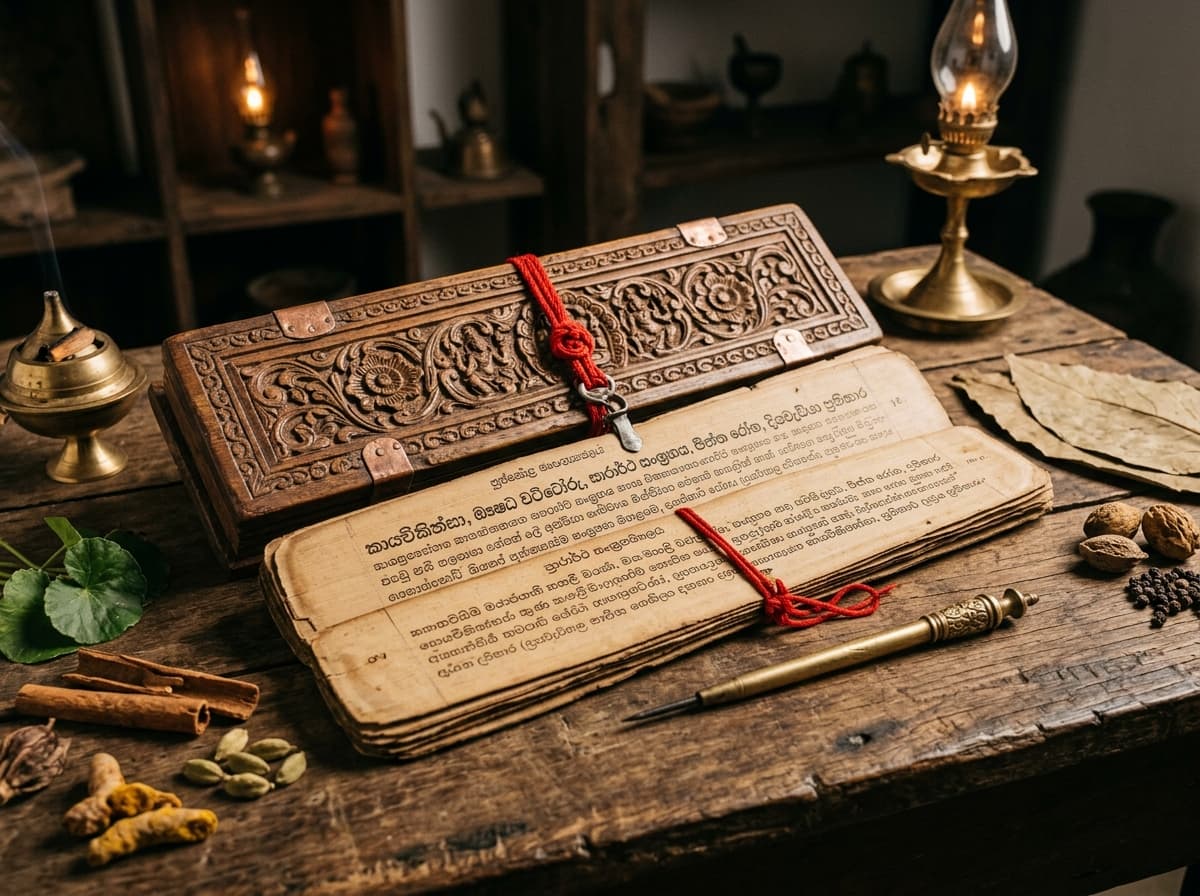
Founded in 2008 by a council of Ayurvedic scholars, hereditary physicians (Wedamahathwaru), and archaeological curators, Intangible Heritage began as a nationwide initiative to rescue rapidly deteriorating palm-leaf (Puskola) medical manuscripts and rare healing implements across the island.
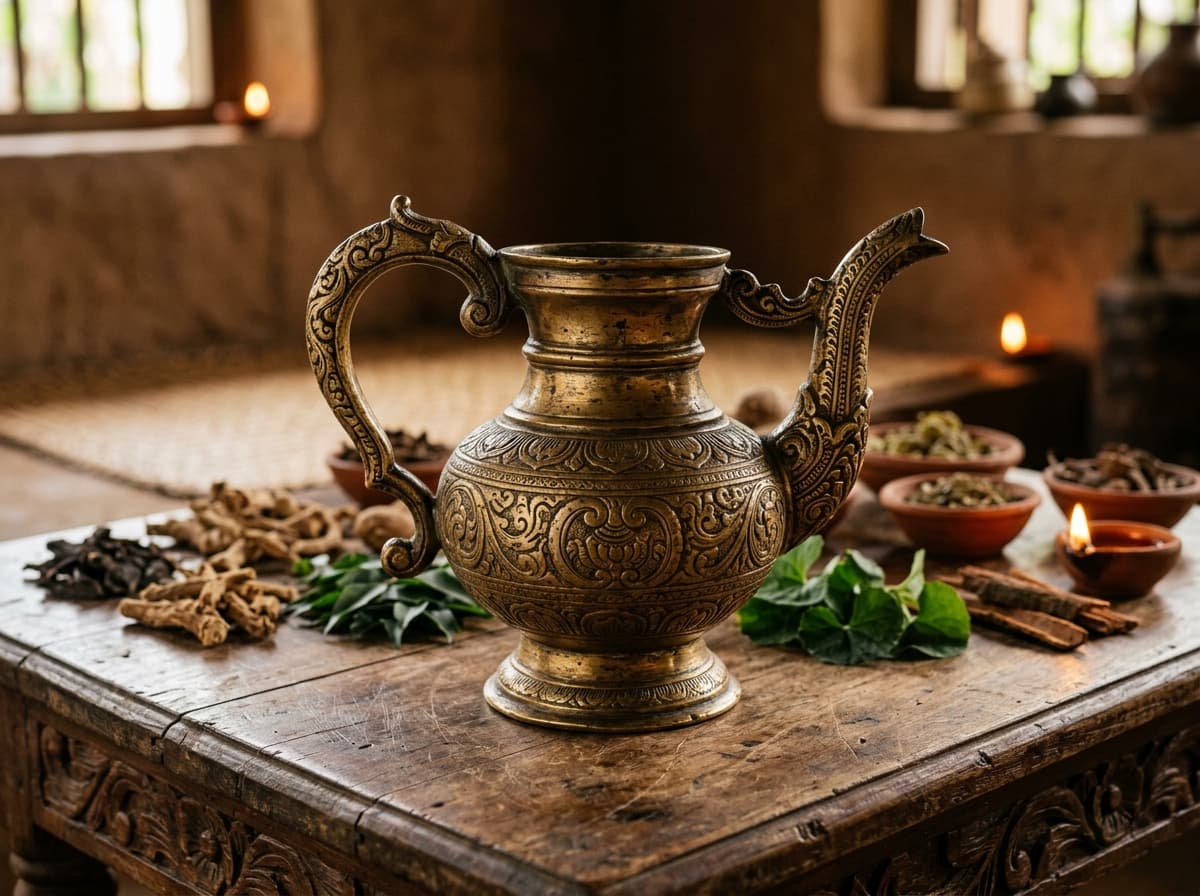
Sri Lanka possesses an unparalleled medical heritage, exemplified by King Buddhadasa’s 4th-century CE treatise Sarartha Sangrahaya, the monastic hospitals of Mihintale, and the exquisite metalcraft of the Thel Thulāva (antique oil dispensing vessel).
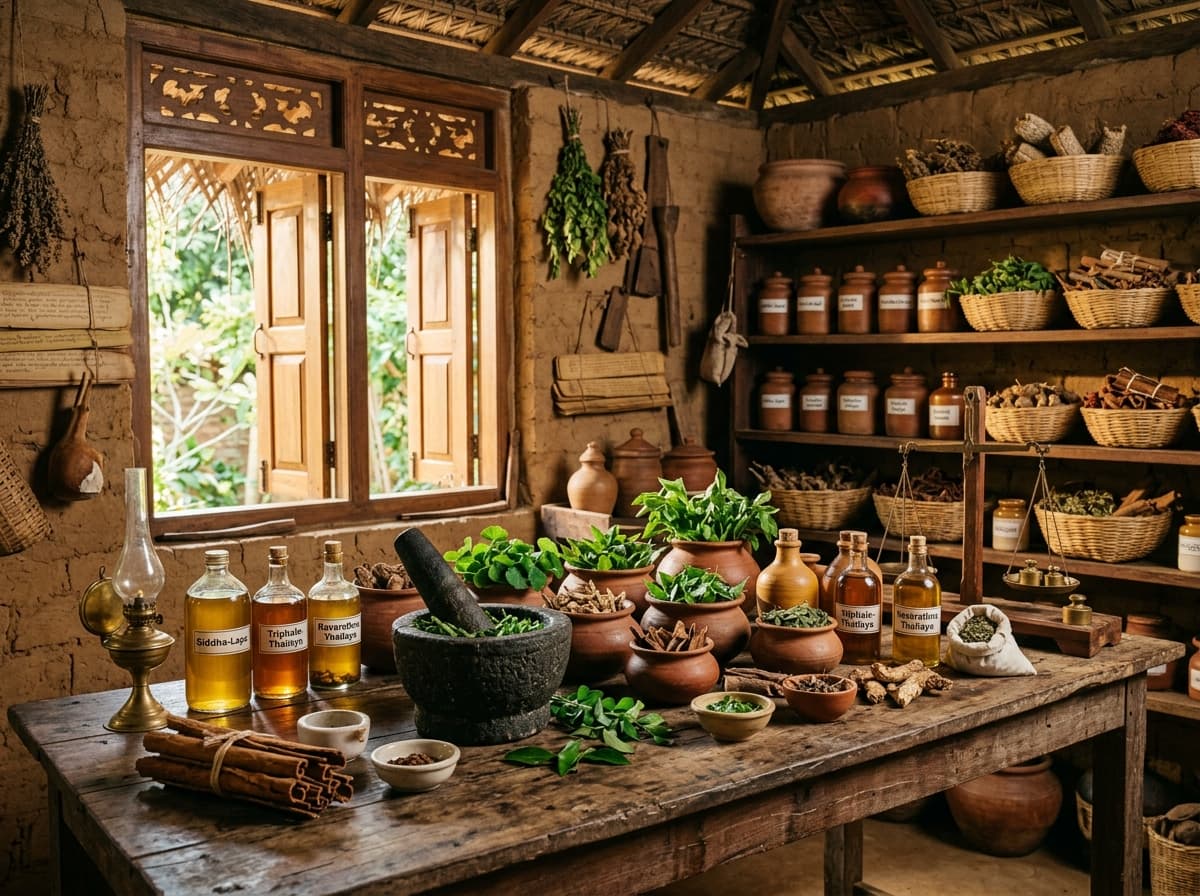
Today, working in synergy with national universities and UNESCO frameworks, we maintain living archives, support botanical herb preservation in sanctuaries like Ritigala, and ensure the authentic intergenerational transfer of Hela Wedakama.
Our Mission
To scientifically document, conserve, and revitalize Sri Lanka’s traditional medical wisdom (Hela Wedakama), antique healing implements, and botanical pharmacopeias, ensuring that hereditary medical knowledge remains vibrant, verified, and accessible for modern healthcare.
Our Vision
A global landscape where Sri Lanka’s ancient healing science, sacred implements like the Thel Thulāva, and medicinal flora are celebrated, safeguarded, and recognized as an invaluable treasure of humanity’s living heritage.
Our Core Values
Scientific Integrity · Respect for Lineage Healers · Botanical Sustainability · Rigorous Archival Standards · Intergenerational Transmission · Community Empowerment and Ethical Research.
Domains of Intangible Medical Heritage
Recognized under UNESCO guidelines, traditional medical knowledge represents an intricate tapestry of botany, metallurgy, psychotherapy, and spirituality.
Hela Wedakama (Desheeya Chikitsa)
Indigenous medicine systems developed over 2,500 years, focusing on plant phytotherapy and dietetics.
Thel Thulāva & Healing Implements
Antique brass oil vessels, stone grinding tables (kalka gal), and surgical tools of royal physicians.
Puskola Poth (Palm-Leaf Manuscripts)
Ancient treatises like Sarartha Sangrahaya, detailing secret lineage formulations and pulse diagnostics.
Thel Sindima (Artisanal Oils)
The intricate bio-thermal decoction and distillation of classical medicated herbal oils.
Monastic Hospital Archaeology
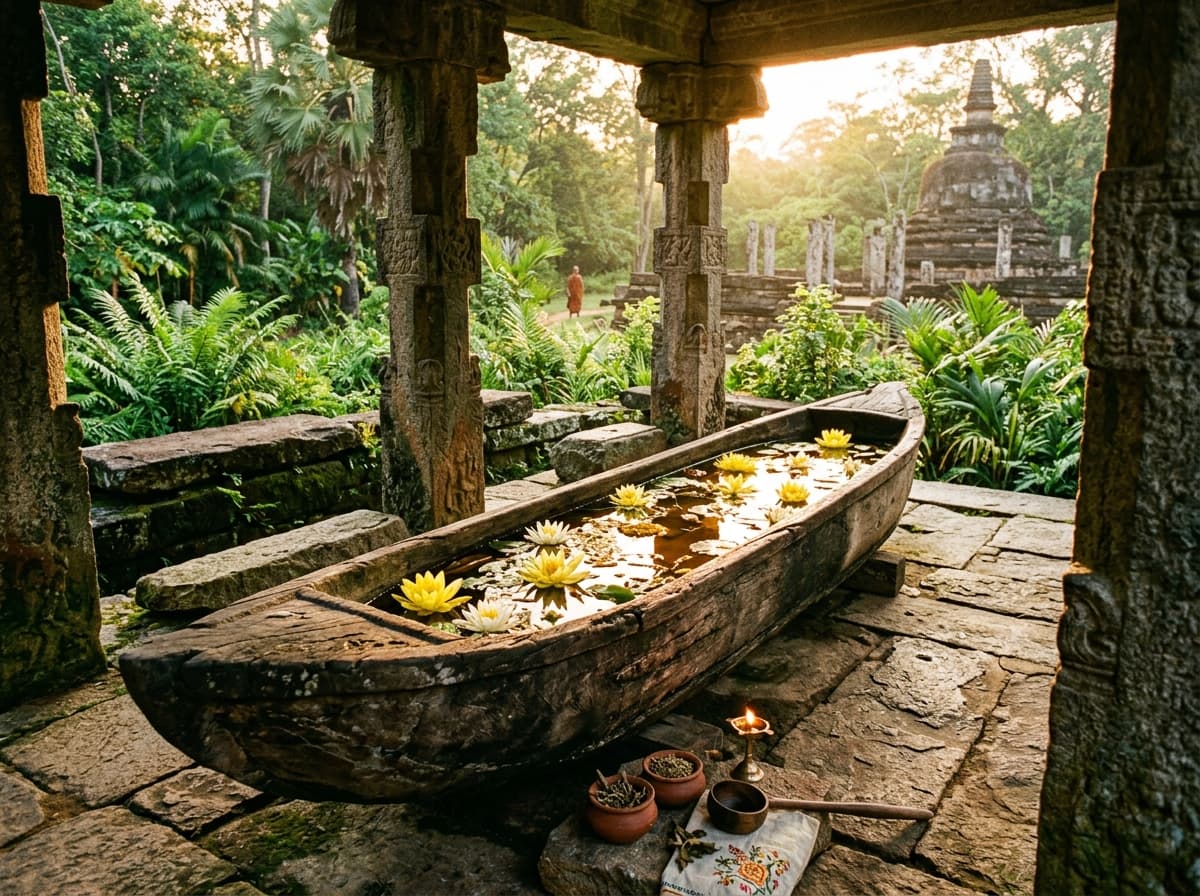
Preserving historical sites like the 9th-century Mihintale monastery hospital and stone medicinal baths (Beheth Oru).
Sanni Yakuma & Ritual Psychotherapy
The integration of psychodrama, herbal fumigation, and spiritual healing for psychosomatic ailments.
Scholarly Leadership
Advisory Council & Board
Comprising foremost Ayurvedic doctors, university professors, and heritage conservationists.
Prof. Ariyasena Wickramarachchi
Executive Director & Ethnobotanist
Dr. (Wedamahathmaya) K. B. Rathnayake
Head of Traditional Pharmacopeia
Dr. Manel Hettiarachchi
Senior Curator of Medical Archaeology
Ven. Medhananda Thero
Director of Palm-Leaf Manuscript Conservation